
The world’s largest non-invasive clinical trial for stroke recovery patients could offer new, accessible treatment for survivors in less than a year.
With a third of stroke survivors suffering from permanent hand and arm weakness according to the NHS, the trial run by Triceps are finding a solution.
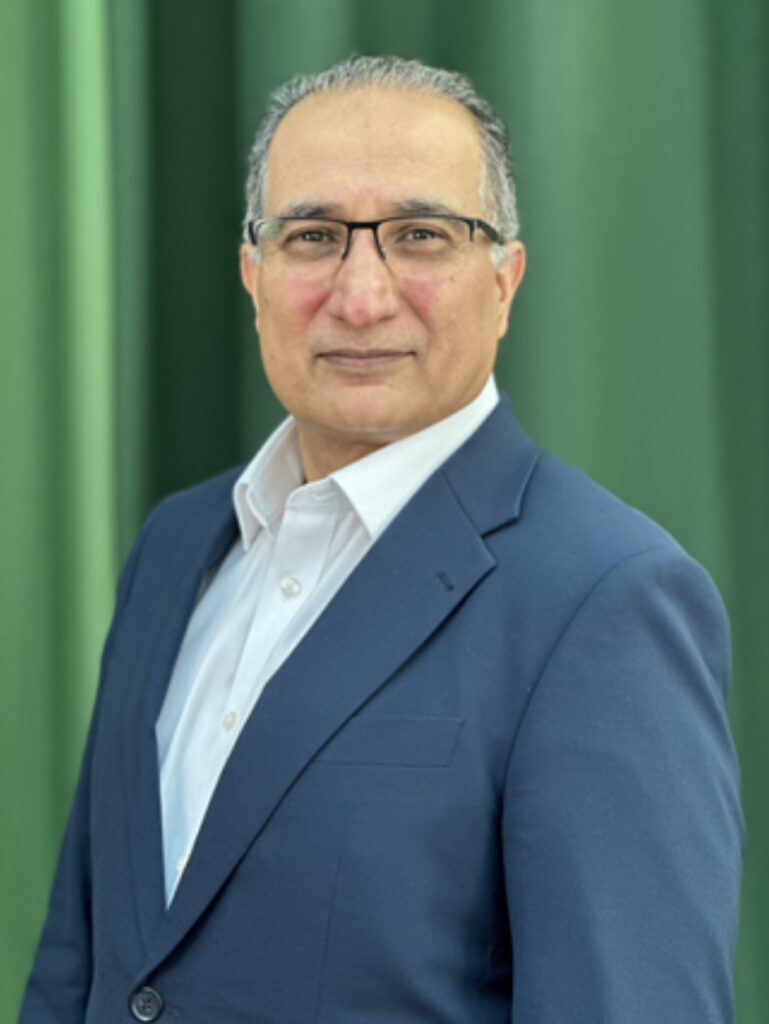
Mr Arshad Majid, Chief Investigator of the study team, said: “Arm weakness affects millions of stroke survivors worldwide and can severely limit independence and quality of life. Triceps aims to determine whether this simple, non-invasive therapy can boost the brain’s natural ability to rewire and recover.”
Triceps are aiming to find out if Transcutaneous Vagus Nerve Stimulation (TVNS) is a process that survivors can use to improve hand and arm weakness.
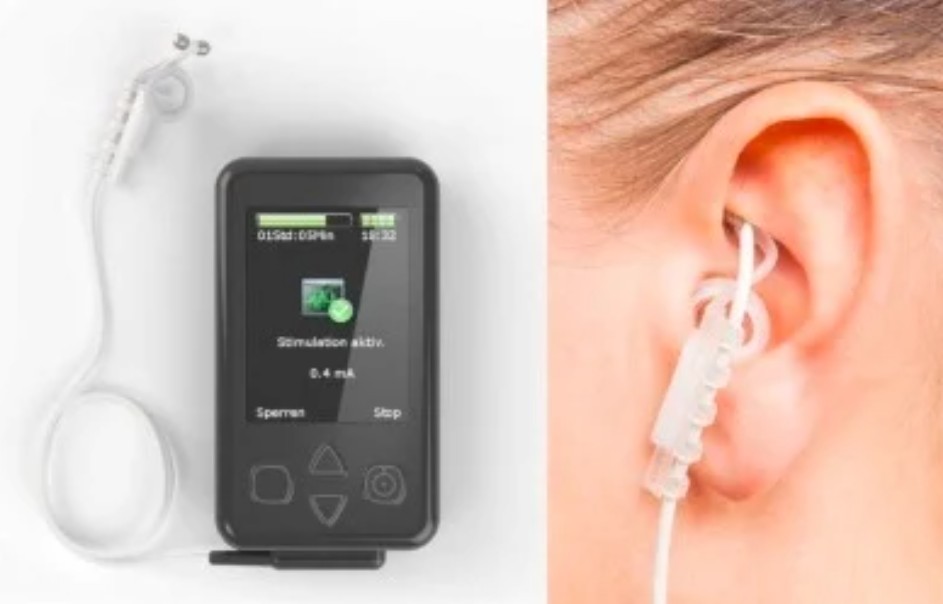
TVNS is where stroke survivors wear an electric ear piece which is connected to a small black box and wrist band controlled by their phones. The ear piece vibrates to stimulate the vagus nerve – a major nerve which connects the brain to the abdomen.
Rehabilitation therapy is used in the treatment process too. The treatment is different to past rehabilitation as it is non-invasive meaning that survivors do not need to undergo surgery and can do the rehabilitation at home.
For future patients this means that they can have easy access and do not need to travel to the hospital for appointments.
Triceps is being led by researchers at Sheffield Teaching Hospitals NHS Foundation Trust and the University of Sheffield plus 19 NHS centres nationally.
It is open to anyone over the age of 18 who has arm and hand weakness occurring between six months and ten years ago who are not undergoing any rehabilitation therapy.
227 stroke survivors are undergoing the TVNS and rehabilitation therapy however the research needs a total of 270.
Mr Majid said: ”While it is too early to know whether the overall findings will be positive, many participants have reported meaningful improvements. If successful, this approach could offer a new, accessible treatment option for stroke survivors”.