
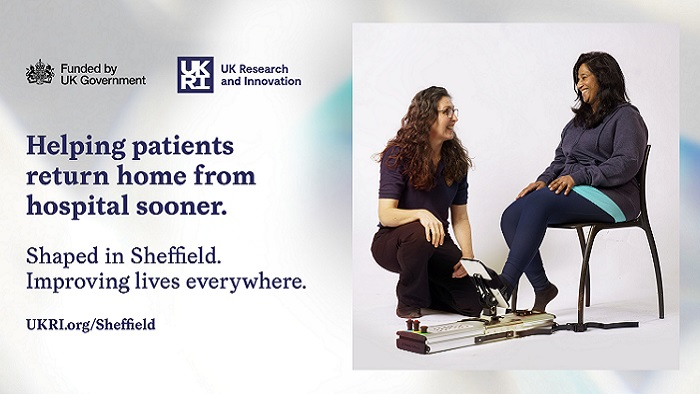
Projects from across Sheffield have been recognised in the ‘Shaped in Sheffield’ campaign, an initiative giving UK Research and Innovation (UKRI) the opportunity to showcase their success.
Led by UKRI, which invests £9 billion annually in research, the campaign highlights projects that demonstrate the impact of public investment. Among the innovations featured is new medical imaging technology developed at The University of Sheffield that is transforming how doctors diagnose and monitor lung conditions in children.
Sir Ian Chapman, UKRI Chief Executive Professor, said: “Sheffield is a hotbed of innovation, from its two great universities to its many spin-outs, start-ups and other businesses. That’s why we’ve chosen to highlight the amazing work shaped by the city and its people.”
New imaging technology developed by scientists at The University of Sheffield is revolutionising paediatric respiratory care, making scans safer and more accurate for children with lung conditions.
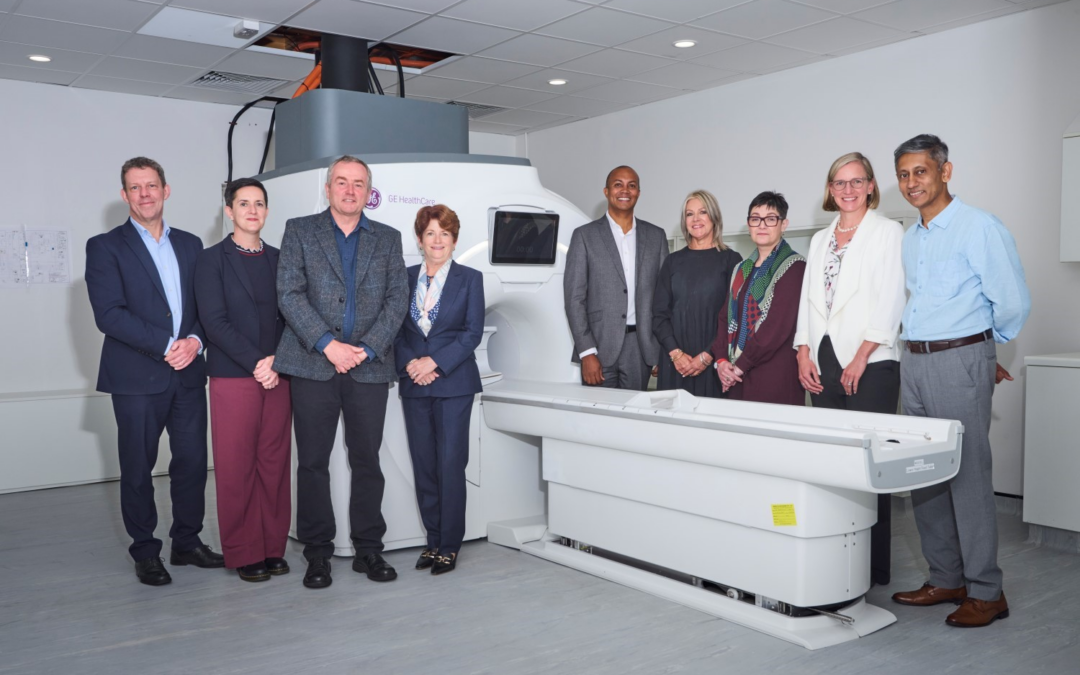
Detecting lung disease early in children can be difficult. To solve this problem, researchers led by Professor Jim Wild have developed a new way to scan lungs using MRI without radiation. The technique allows doctors to diagnose and monitor lung conditions more safely over time.
Children and young people being cared for at Sheffield Children’s NHS Foundation Trust are among the first in the UK to benefit from the technology through research being carried out at Royal Hallamshire Hospital.
Sarah’s daughter Zoe is one of the children who has benefited from the new scanning technique.
“When doctors in A&E listened to Zoe’s chest, they couldn’t hear any sign of damage to her lungs, but I knew something was wrong.”
Sarah, zoe’s mother
In 2023, Zoe, then two years old, spent a week in Sheffield Children’s Hospital with pneumonia. In the year that followed, her lungs did not fully recover, and low oxygen levels meant repeated visits to the GP and A&E.
Doctors later diagnosed Zoe with bronchiectasis, a condition that causes damaged airways and mucus build-up in the lungs.
Two scans taken two weeks apart showed that antibiotics were not significantly improving her lungs. As a result, doctors decided the port was unnecessary and instead focused on daily physiotherapy to clear mucus from her lungs.
“It worked really well,” Sarah said. “She hasn’t had a day off school in months.”
Professor Wild said: “The MRI method means doctors no longer have to ‘wait and see’. There have been big advances in treatments for cystic fibrosis, for example, but the drugs are expensive and work differently for every child. The scanner is guiding treatment and helping to find the right therapies faster.”
He said: “There have been big advances in treatments for cystic fibrosis, for example, but the drugs are expensive and work differently for every child. The scanner is guiding treatment and helping to find the right therapies faster.”