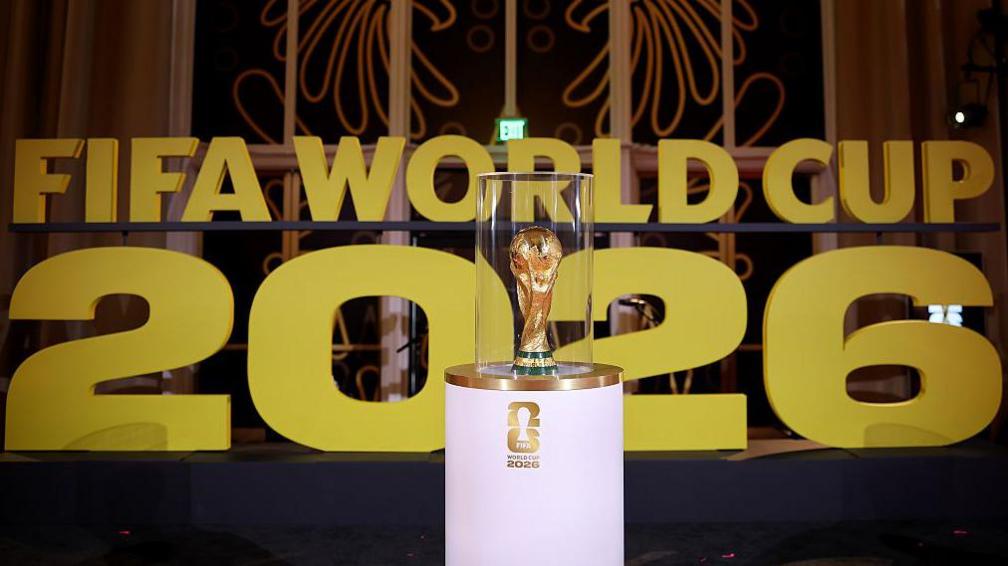

The University of Sheffield researchers found that in the 2022 World Cup betting on online sites and apps was up 24% during matches that featured advertisements for these sites compared to the ones that didn’t.
This has raised concerns ahead of the 2026 World Cup, with many researchers saying that there are not enough gambling rules and restrictions to protect those who are most susceptible. The study was done on men aged between 18 and 45 during the Qatar World Cup.
The study highlights that because of the gambling ads, people who wouldn’t necessarily bet are placing more bets on sites. The study showed the difference between ad-free broadcast (the BBC) and advertisements in live sports (ITV) and the rise of gambling.
The study was led by Ellen Mcgrane, a research associate at The University of Sheffield’s School of Medicine and Population Health, and found that the adverts acted as triggers during live football matches, and increased overall gambling, not just platform switching.
The report also notes that several of the popular operators have moved to Curacao, where the regulations are more relaxed. This raises regulatory concerns and gambling related harm.
As the 2026 World Cup is less than a month away, no regulation changes have been made since 2022.
The gross gaming revenue (GGR) of the UK gambling industry was approximately £18.7 billion in 2023, making it one of the largest gambling markets in Europe.
Another study from the mental health charity Mind, demonstrated gambling also was detrimental for young people as well. In 2022, the gambling commission found that 50% of young people have gambled in the last 12 months, and have estimated that 55,000 11–16 year olds experience gambling-related harm due to their gambling behaviours, with another 85,000 at risk of developing harms.
Northern Gambling Service provides specialist addiction therapy and recovery to people in the north of England, including Sheffield.
The research argues that the overall restrictions needed to be tighter and have warned gambling rules may be insufficient to protect those most at risk ahead of the World Cup.