
Hosted by Montrose Health Group and Merchants House, an ‘Interweaving neurodiversity and mental health’ event will take place in Neepsend today.
The panel will explore the connection between neurodiversity and mental health.
The event aims to reduce stigma and start open and honest conversations about mental wellbeing.
Sophie, marketing manager at Montrose Health Group, said: “We provide a clear, compassionate and supportive environment where people can make better informed decisions, access reliable information and feel confident in understanding themselves.”
She said the event provides reassurance and education for those who may be hesitant to seek a diagnosis, and for people who have a diagnosis to “gain a deeper understanding of themselves.”
As well as this, it will provide people who struggle with practical strategies to support their daily lives.
Sophie said the event is designed to “break down the fear that often prevents people from speaking out.
“By creating a safe, inclusive, and supportive environment, attendees will be encouraged to reflect on their own experiences and realise they are not alone.”
Sophie, said: “Approximately 30,000 people in South Yorkshire [are] on an NHS waitlist.”
ADHD and autism are becoming an increasingly prevalent topic as the demand for assessments increase, making this event even more important.
The discussion is a panel event and tickets are free of charge.
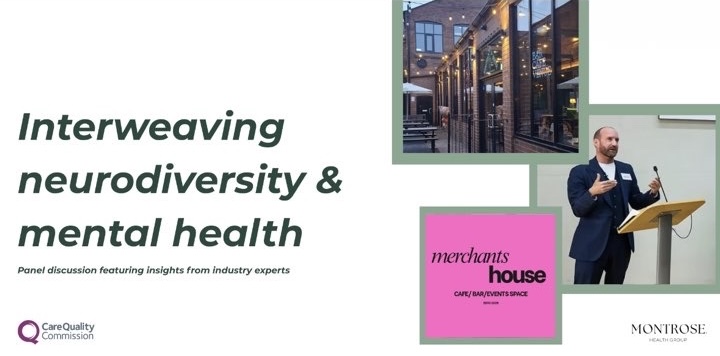
Some of the guest speakers include business CEOs, an ADHD assessor and a breathe and cold water therapy practitioner.
Sophie said the guest speakers are very important in providing people with the specific tools and education they need to support their needs.
She, said: “Lived experience is such an important and powerful aspect of helping people connect through identification.
“Professionals and business leaders will leave better equipped to recognise, understand and support neurodiversity in the workplace.
“Ultimately, the event aims to foster greater awareness, self-acceptance, and a culture of empathy, making it easier for people to seek support and feel understood.
“It helps people better understand the ‘why’ behind their behaviours and thought patterns, empowering them to take informed next steps at their own pace.”